Bookkeeping and Accounts for Solar Firms
Written and reviewed by the Solar Installer Accountants editorial team. Last reviewed 22 August 2026.
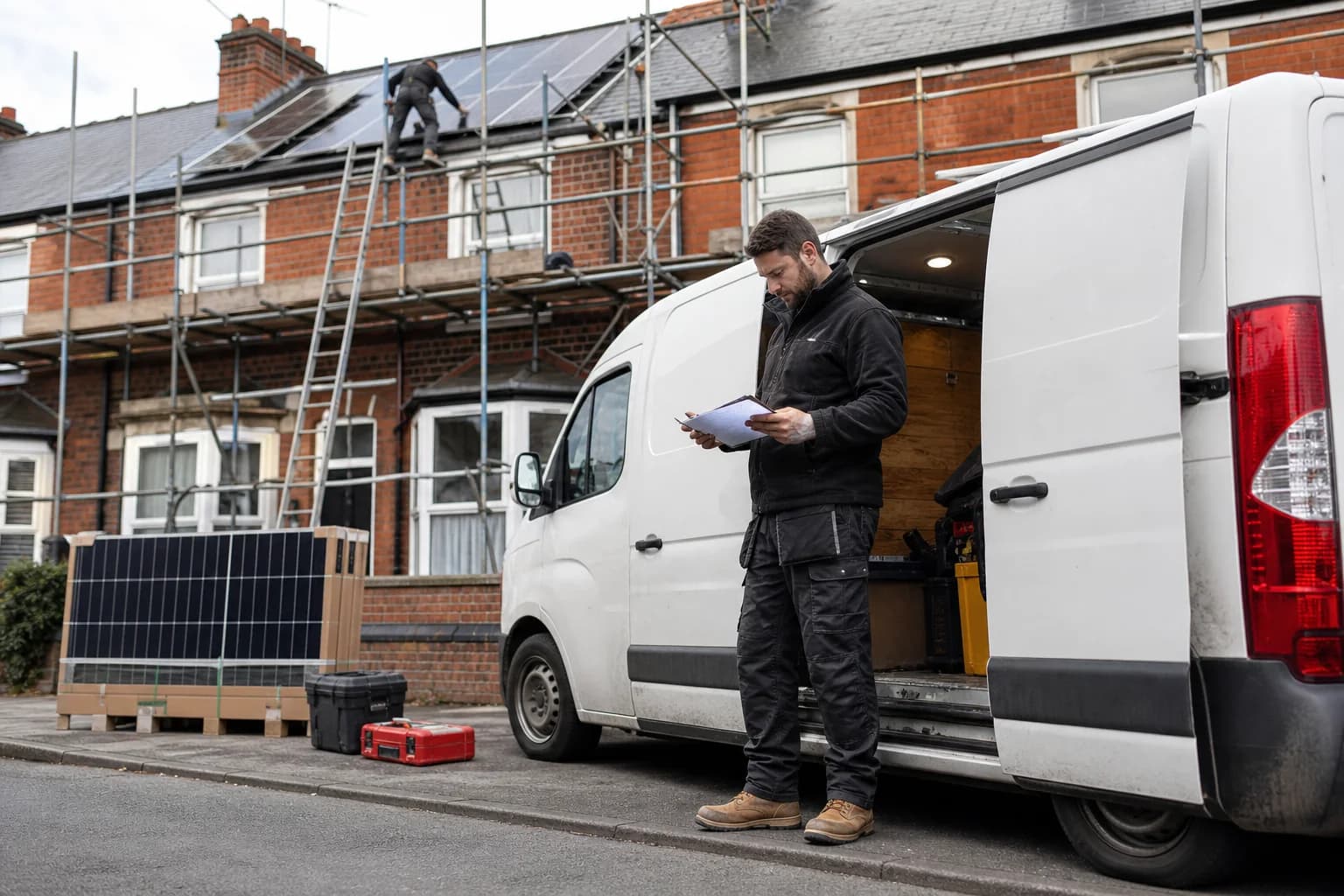
Bookkeeping through the year and the accounts at the end of it, kept in a shape that makes the rest of the compliance provable rather than reconstructed.
For a solar firm this is not a commodity. The records have to carry the VAT rate applied to each job and the split between labour and materials, because both of those are what an HMRC question turns on.
What It Covers
Sales and purchase ledgers kept current, bank reconciliation, and job-level records that show what was installed where and at what VAT rate. Panels, inverters and batteries tracked as purchases so the materials position is clear, which matters both for margin and for the CIS deduction where you are subcontracting.
At the year end, the accounts themselves: statutory accounts and the corporation tax return for a company, or the accounts behind Self Assessment for a sole trader.
Why the Records Shape the Tax
Two of the biggest numbers in a solar business are decided by record keeping rather than by tax planning. The first is the VAT rate per job, which needs evidencing at the time. The second is the labour and materials split on subcontract invoices, because CIS is deducted on labour, not on the materials you paid for directly.
On a panel-heavy job that split is the difference between a deduction taken on the whole invoice and one taken on a fraction of it. Invoices that itemise it properly put the cash back in your account months earlier.
How It Runs
We work in whatever you already use, provided it can carry a per-job VAT rate. Where it cannot, we will say so and move you once, at the start, rather than living with a workaround.
Records come across on an agreed cycle. You get management figures during the year rather than only meeting your numbers eleven months late.
What It Costs
A fixed fee based on transaction volume and whether the year end is included. Quoted before we start.
To get a price, tell us about your solar work and roughly how many jobs a month you invoice.