Accountants for Solar Installation Companies
Written and reviewed by the Solar Installer Accountants editorial team. Last reviewed 22 August 2026.
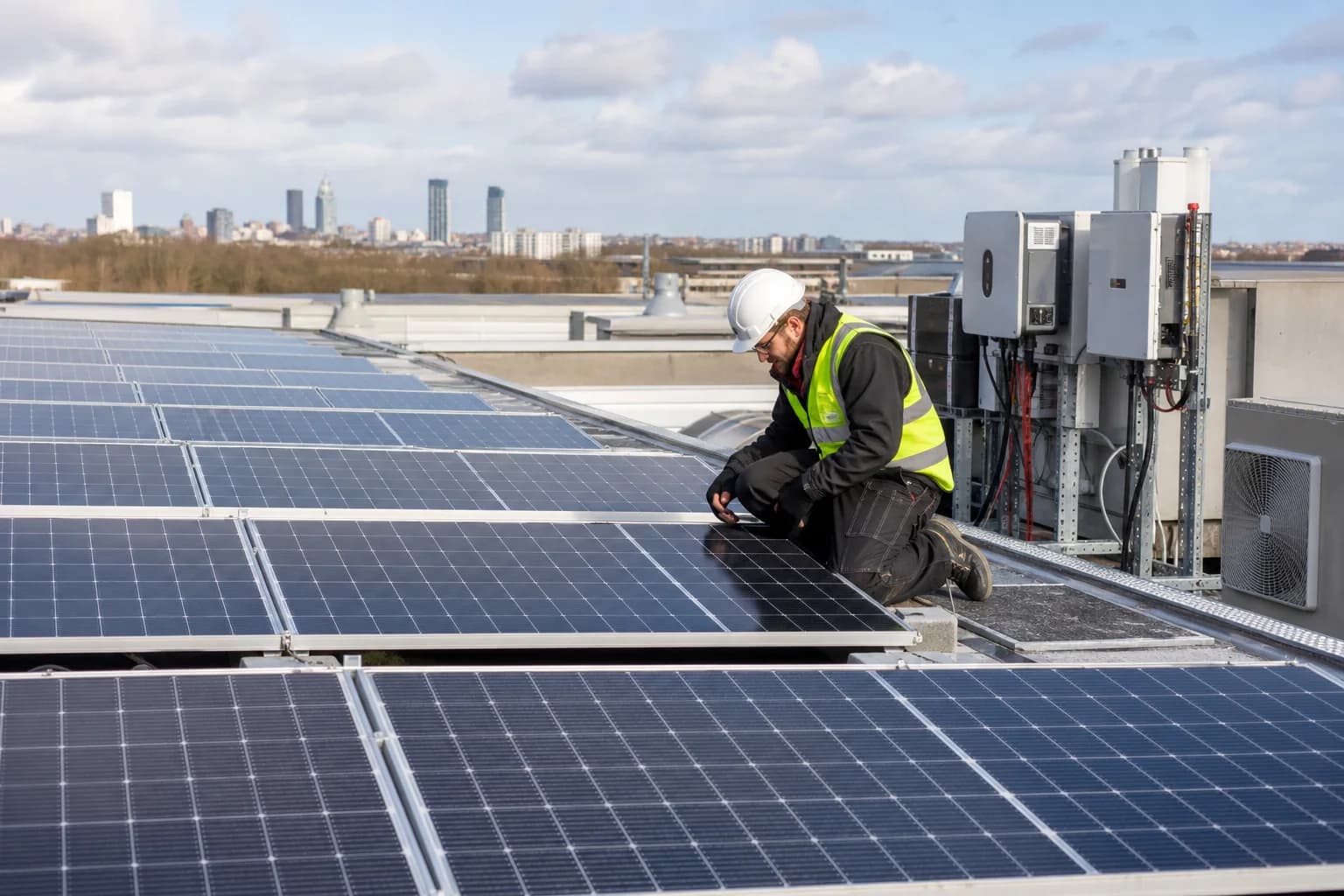
We act for limited companies installing solar: the annual accounts, the corporation tax return, payroll for your fitters, and the CIS obligations that arrive the moment you subcontract or are subcontracted to. Directors' own returns are handled alongside so nothing falls between the company and the person.
Everything is a fixed fee, agreed in writing before any work starts, and it covers the questions through the year rather than metering them.
What We Handle
Statutory accounts and the corporation tax return, the confirmation statement, payroll and pension enrolment for your fitting teams, and VAT returns. Where you engage subcontract labour we run the CIS side: verification, the deduction at the right rate, and the monthly return with its own deadline and its own penalties.
On the capital side, a solar company is the case where the allowance you pick matters most. Full expensing does not reach solar panels, so a company buying an array, whether for a demonstration site or its own premises, needs the claim routed correctly or it loses relief in the year it can least afford to.
Where a Solar Company's Position Gets Awkward
Mixed work is the usual difficulty. A company doing domestic roofs and commercial rooftops in the same quarter is running zero-rated and standard-rated sales side by side, sometimes on the same customer. The return has to reflect that split accurately, and the underlying quotes have to have been priced on the right assumption in the first place.
The second is being a contractor and a subcontractor at once, which is common as a solar firm grows. You are deducting CIS from the fitters you pay and having it deducted by the main contractor you invoice, with the reverse charge sitting on top wherever the supply is standard or reduced rated. Each of those has its own filing and its own timing.
How It Runs
We agree what the company needs at the start: year end only, or year end plus payroll, VAT and CIS through the year. Most solar companies take the second, because the monthly obligations are the ones that carry penalties.
You keep your bookkeeping where it already works and we connect to it. If it does not work we will say so and fix it once, rather than moving you onto something new every year.
What It Costs
A fixed fee, quoted before we begin. It scales with what is actually running: number of people on payroll, whether CIS applies, VAT frequency, and how much of the bookkeeping you want to keep in house.
To get a price, tell us about your solar work and we will come back with a fixed quote and a deadline.